Our History
From Ingolstadt in 1776 to the edicts of 1784–1787 — what the documents show.
Discover →
KnowledgeWisdomUnityDisciplineIntegrityEnlightenmentLegacy
Preserving Knowledge. Inspiring Generations.
About the Order
An independent organisation for history, education and the ideals of the Enlightenment.
The Seven Orders of the Illuminati brings together people who care about history, learning and the ideals of the Enlightenment. We research the documented history of the Bavarian Illuminati and its age, publish educational articles, maintain a public research archive and organise events.
We are a modern organisation. We do not claim descent from, or continuity with, the society founded at Ingolstadt in 1776 — and we think the real history is more interesting than the legend.
Sections
From Ingolstadt in 1776 to the edicts of 1784–1787 — what the documents show.
Discover →
Knowledge, Wisdom, Unity, Discipline, Integrity, Enlightenment, Legacy.
Discover →
Edicts, publications and source references, searchable.
Discover →
The people who founded, joined, opposed and interpreted the order.
Discover →
Documented symbols — and the ones history never gave them.
Discover →
An application-based membership for those who share our purpose.
Discover → IKnowledgeThe pursuit of accurate, well-sourced understanding.
 IIWisdomJudgement in applying what we know.
 IIIUnityA community joined by shared purpose, not uniformity.
 IVDisciplineRigour in method and consistency in conduct.
 VIntegrityHonesty in what we claim and how we act.
 VIEnlightenmentReason, curiosity and the free exchange of ideas.
 VIILegacyPreserving knowledge for those who come after us.
Weishaupt founds a secret society with a small group of students at Ingolstadt. Its members first call themselves Perfectibilists; it becomes known as the Order of the Illuminati.
Adolph Freiherr Knigge (code name “Philo”) joins and reworks the degree system, drawing many Freemasons into the order. Its rapid growth dates from this period.
A congress of Freemasons at Wilhelmsbad provides an opportunity for Illuminati recruitment among lodges.
Elector Charles Theodore bans all associations not authorised by law. The edict does not name the Illuminati. Knigge leaves the order the same year after disputes with Weishaupt.
A second edict explicitly prohibits the Illuminati and the Freemasons. Weishaupt loses his professorship and leaves Bavaria, eventually settling in Gotha.
On 11–12 October 1786 Bavarian officials search the house of Franz Xaver von Zwack (“Cato”) at Landshut and seize a large quantity of the order’s papers.
The government publishes papers seized from members as Einige Originalschriften des Illuminatenordens. An edict of 16 August 1787 repeats the ban with severe penalties.
The central administration of the Order.
Research into the history of the Illuminati and the Enlightenment.

Educational programmes, lectures and learning resources.
Applications, member communications and member welfare.
Public communications, the website and the press office.
Regional representatives and international activities.
Standards, accountability and compliance.
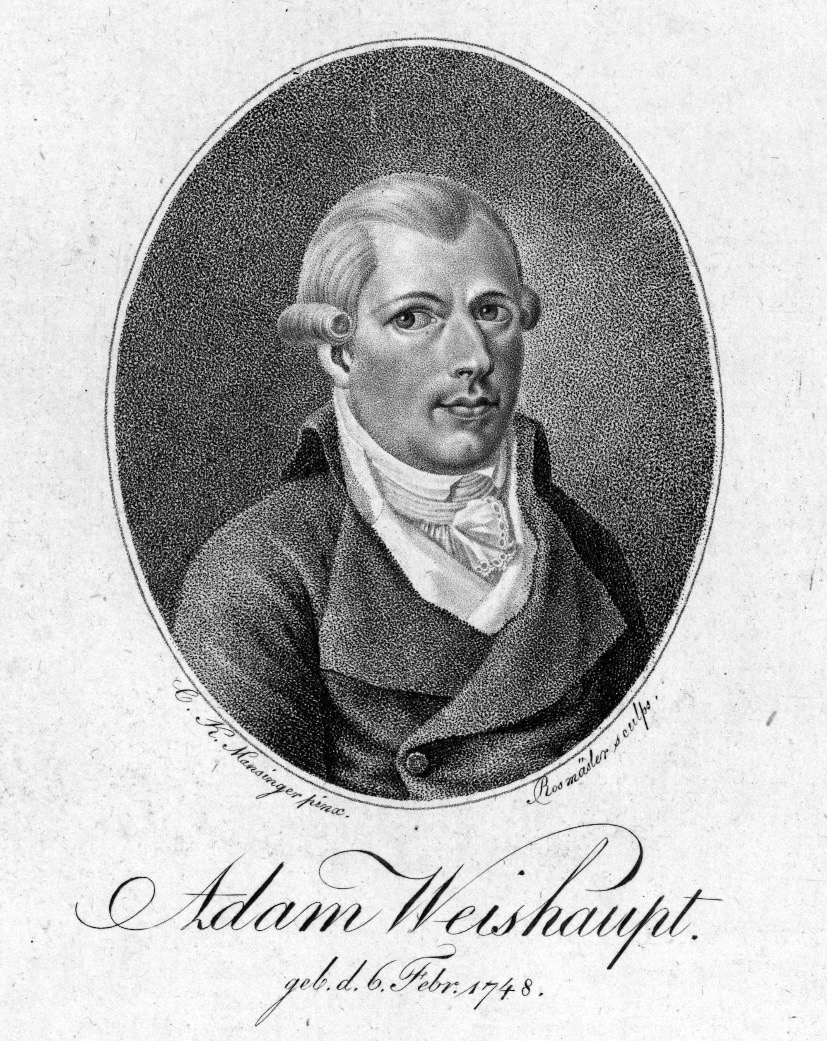
Founder of the Bavarian Illuminati and professor of canon law at Ingolstadt.
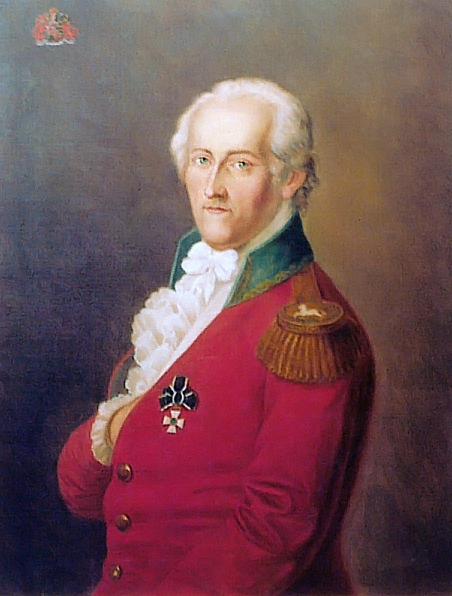
Writer and Freemason who reorganised the order's degrees.
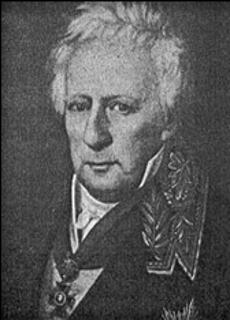
Senior member whose seized papers exposed the order.
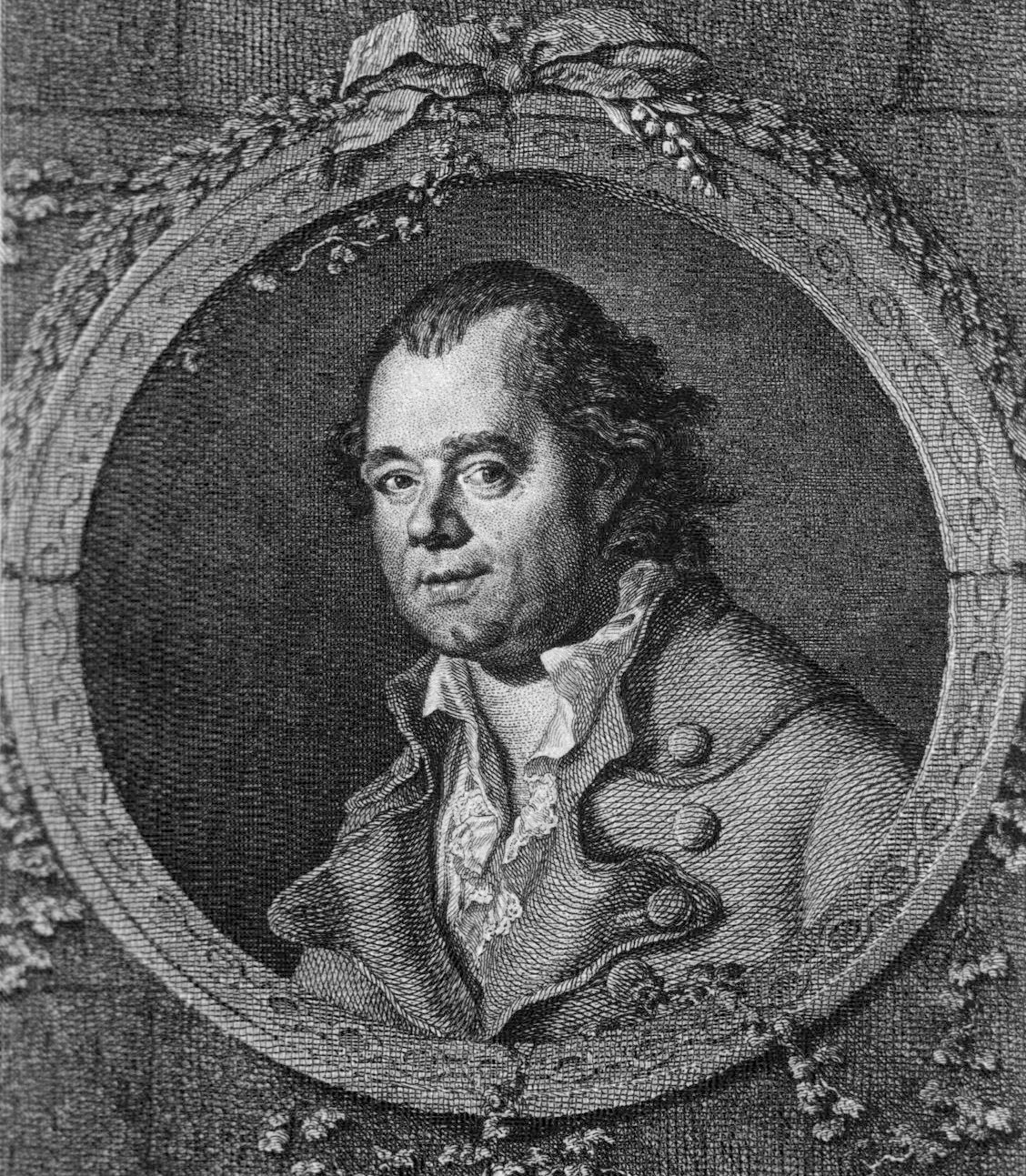
Translator, publisher and Freemason.
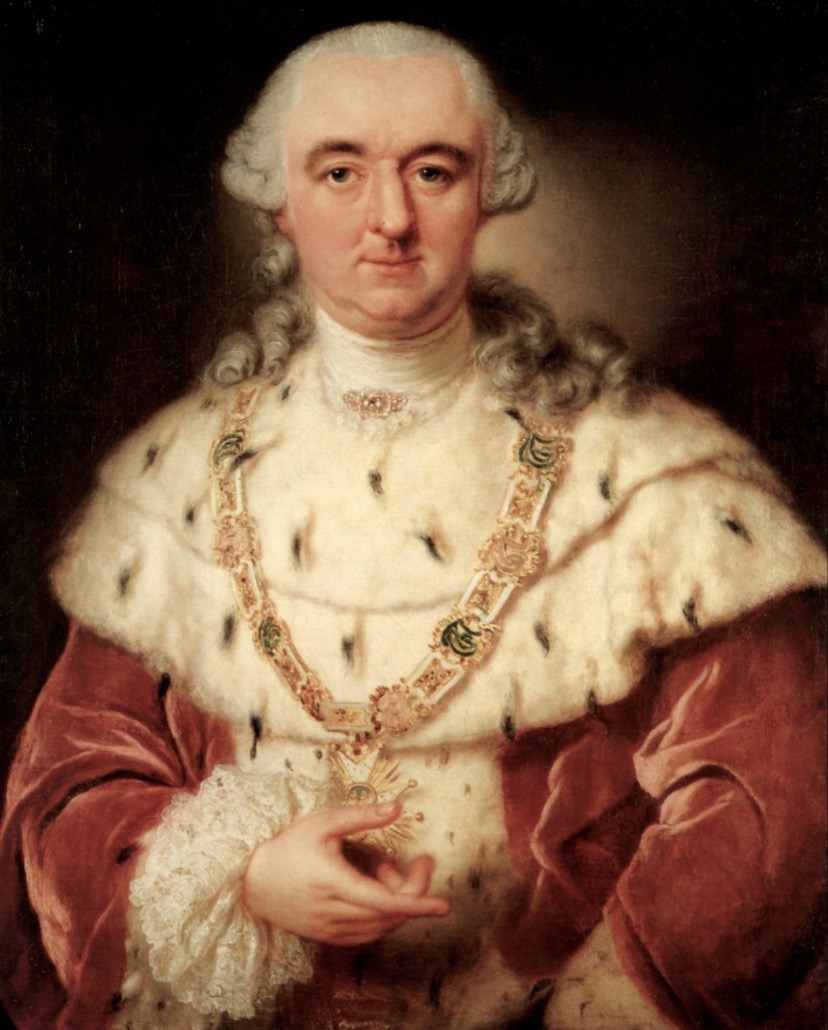
The ruler whose edicts suppressed the order.
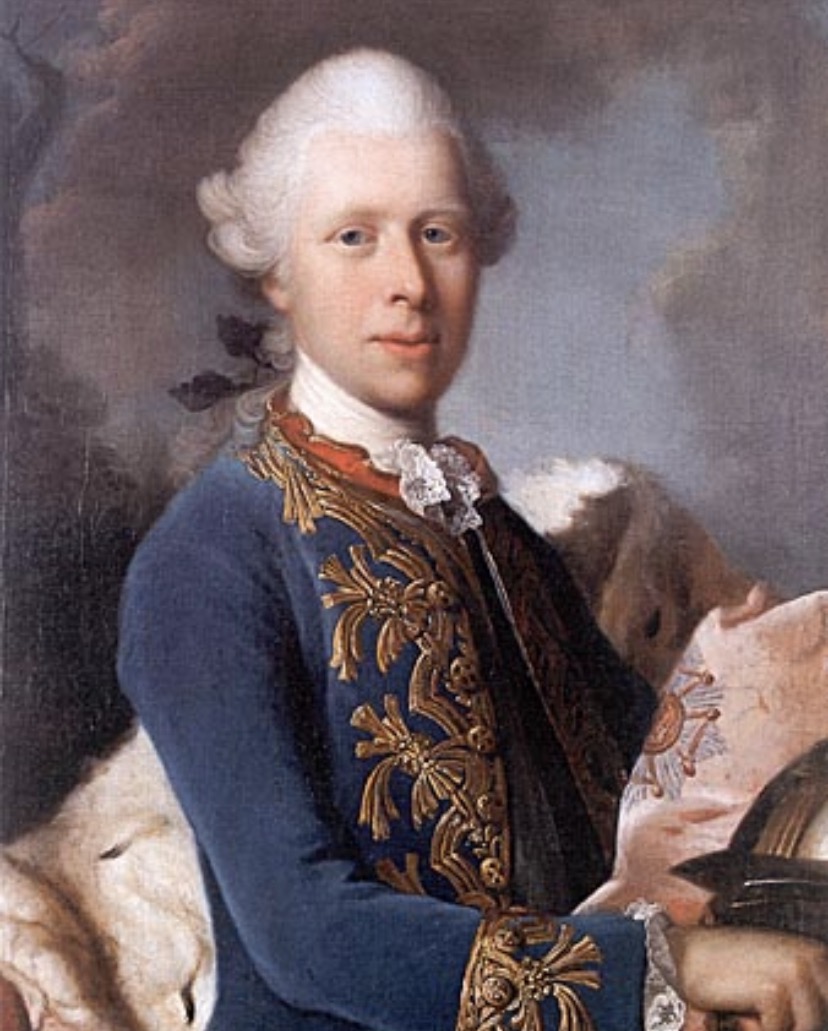
Enlightened ruler and patron who sheltered Weishaupt.
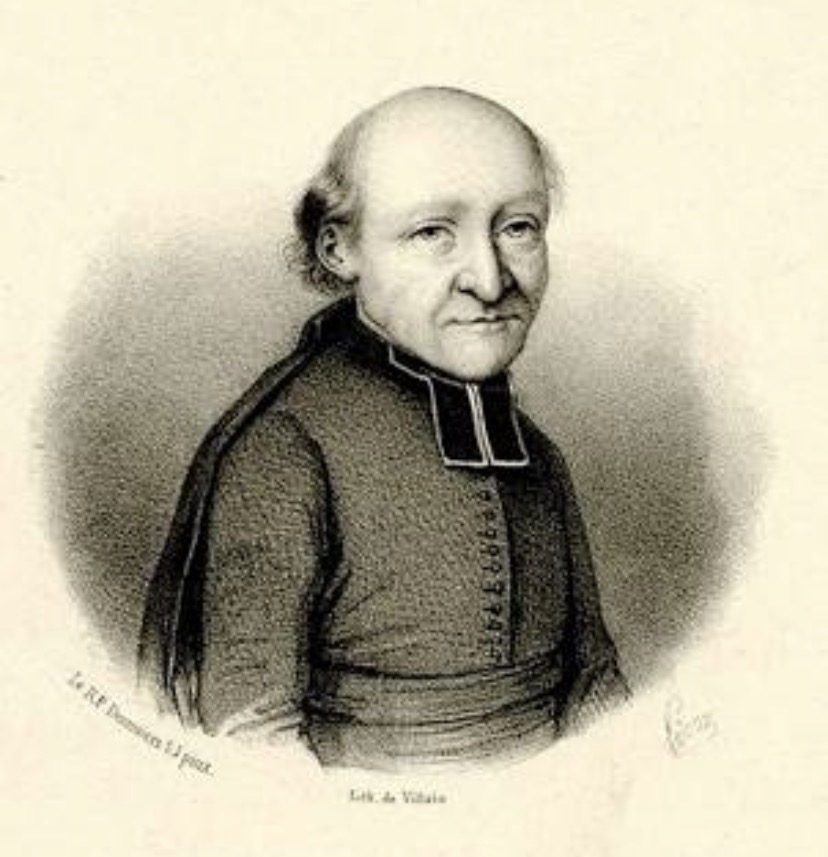
Jesuit author of an influential conspiracy theory.
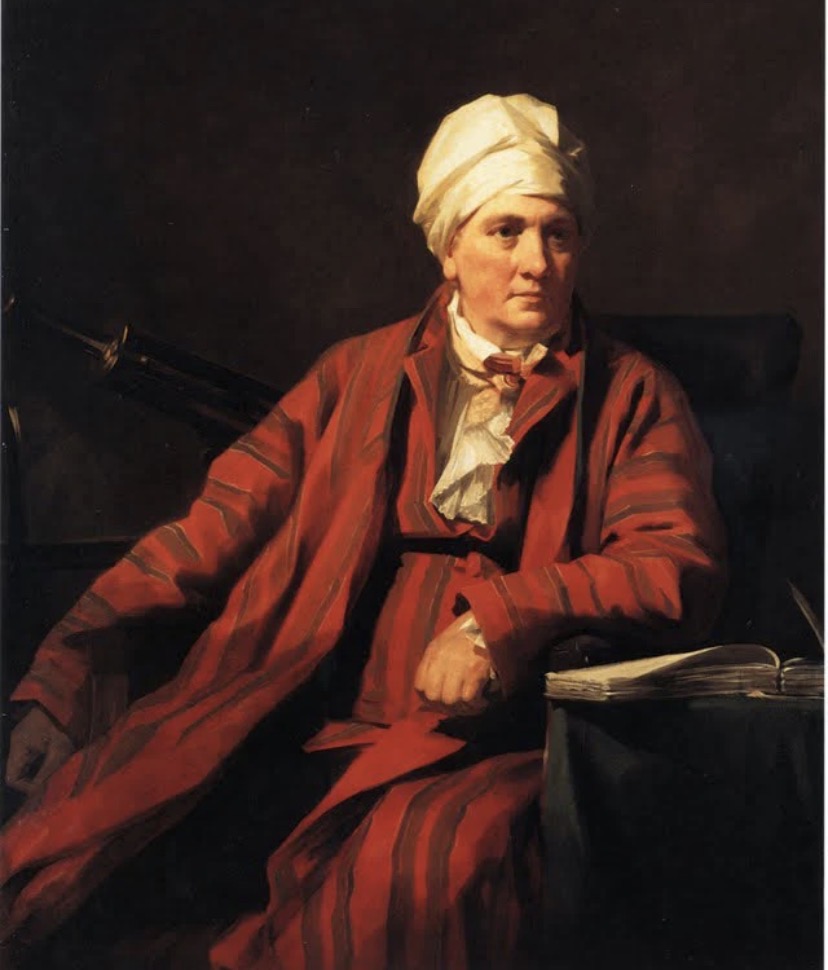
Scottish scientist and author of "Proofs of a Conspiracy".
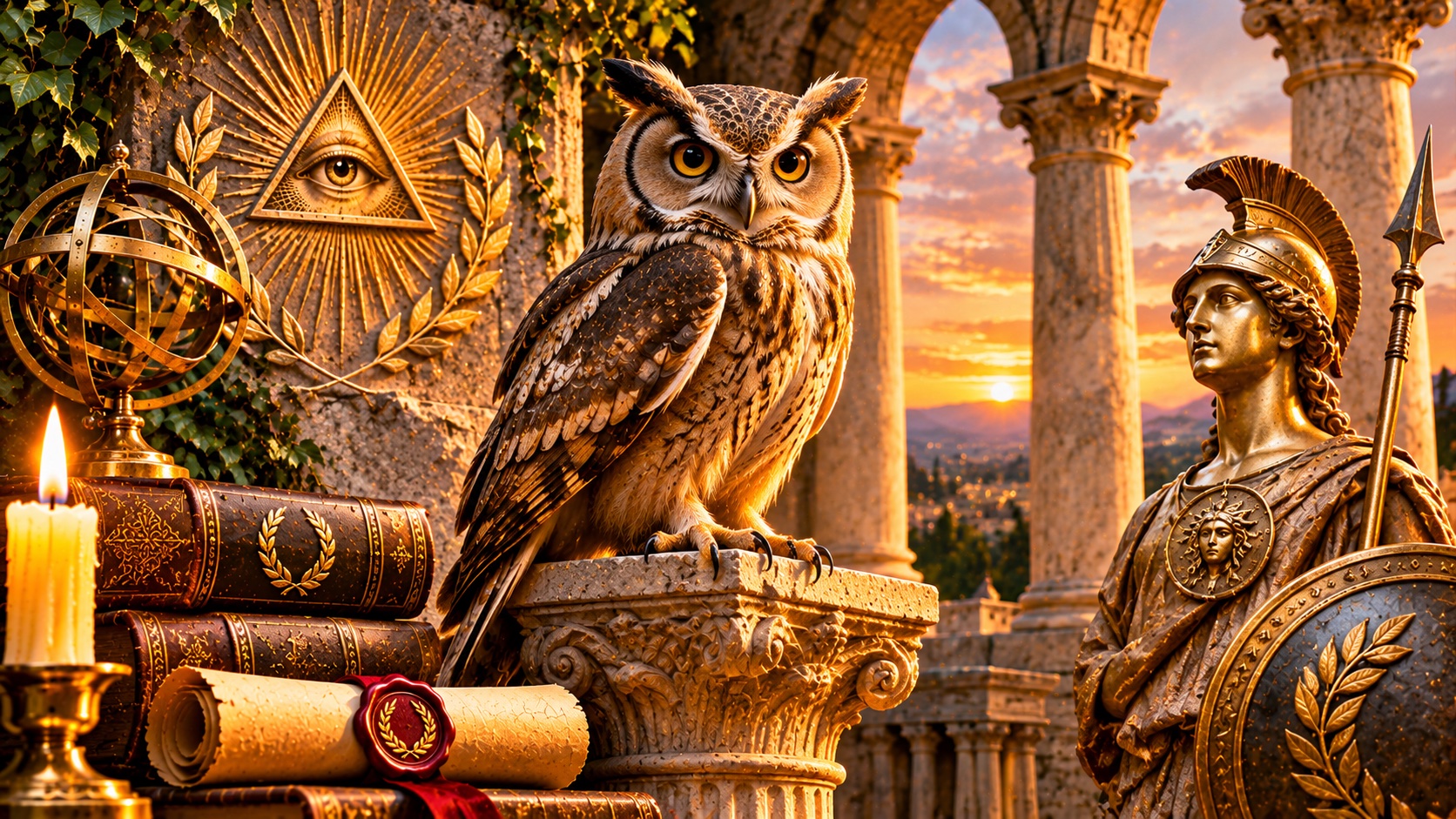
The owl of Minerva, goddess of wisdom, was the insignia of the order’s Minerval grade.

Members and places were given classical names.
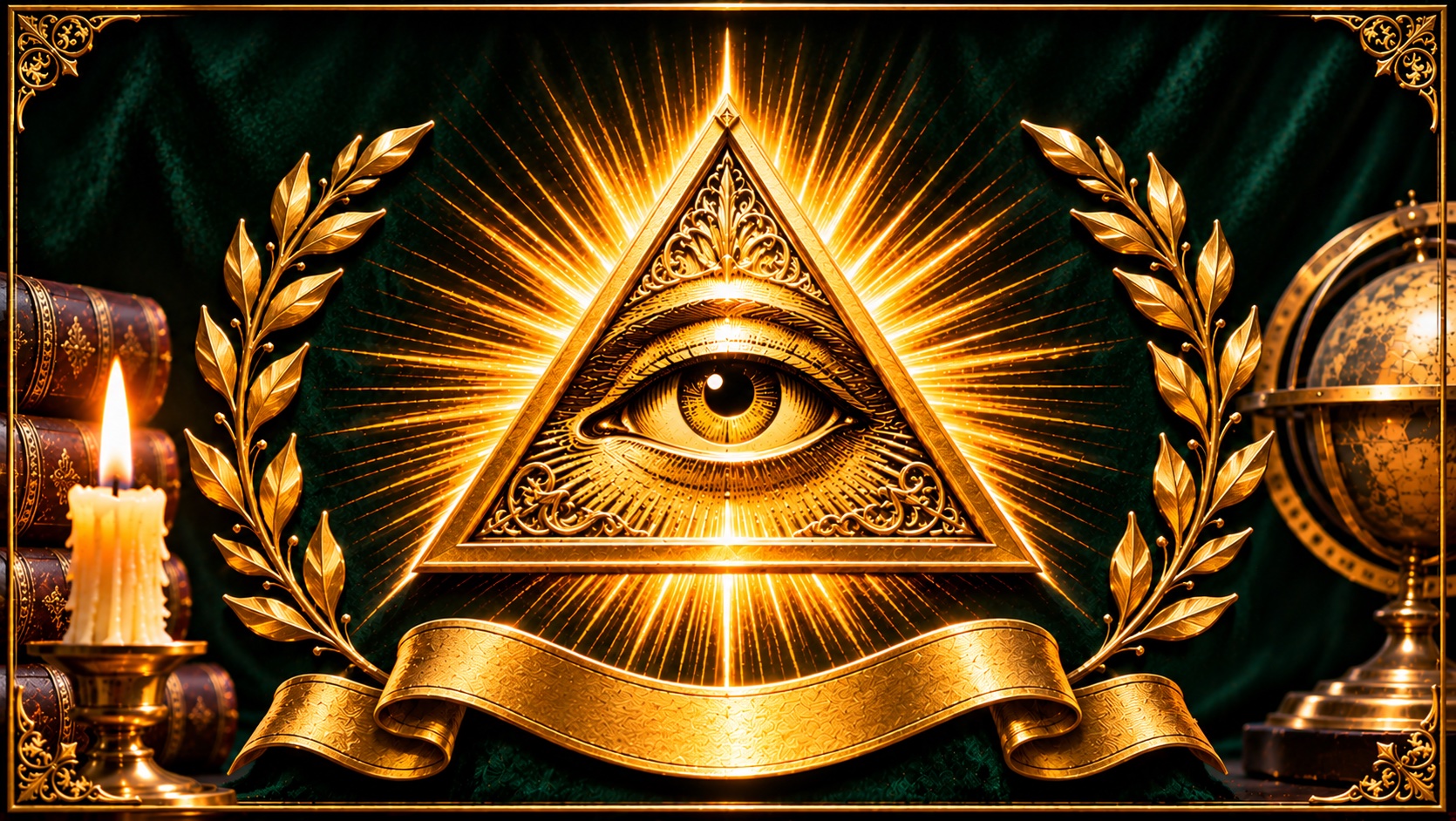
Often attributed to the Illuminati — but never used by them.
A coincidence of dates, not a secret sign.
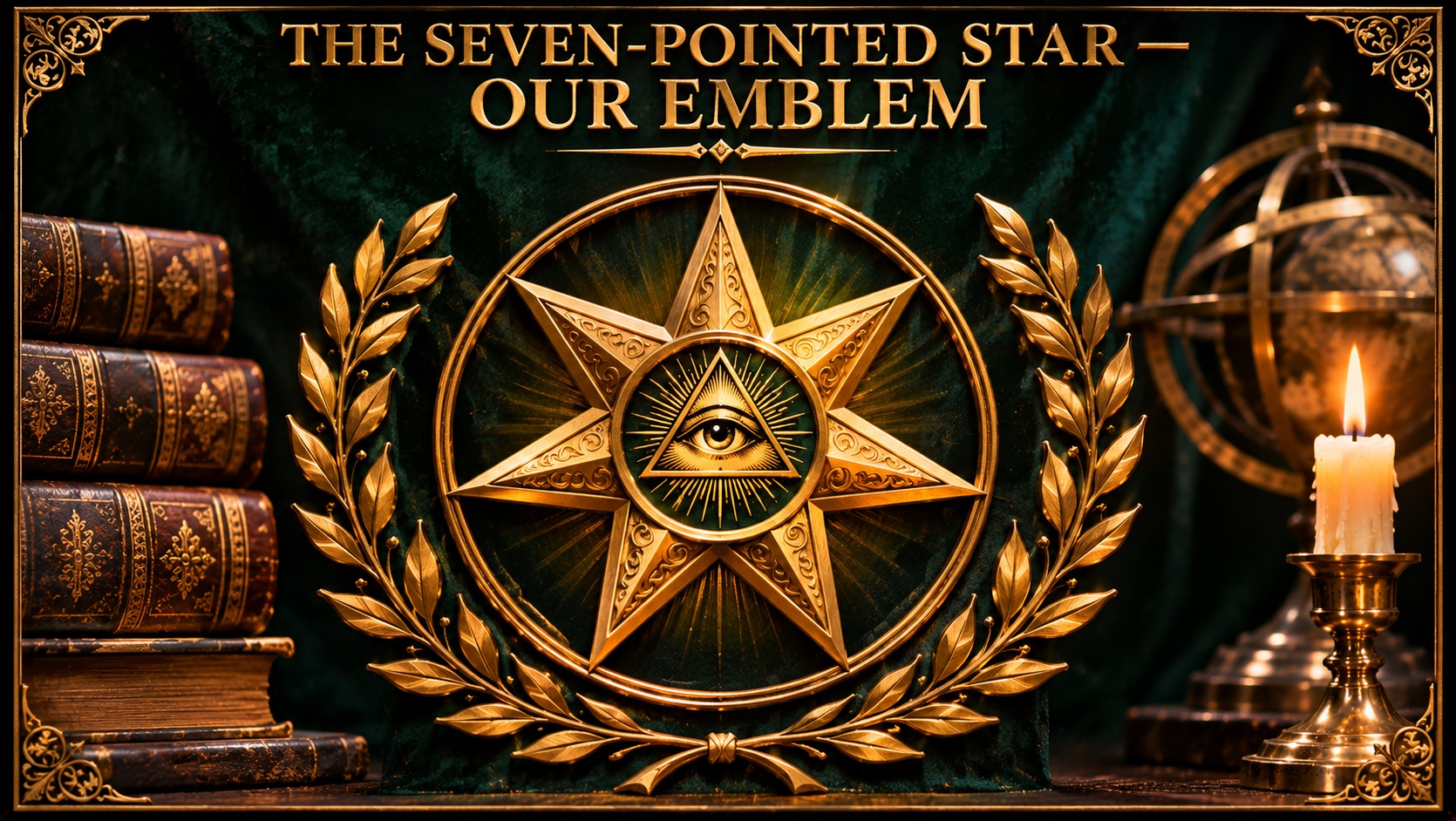
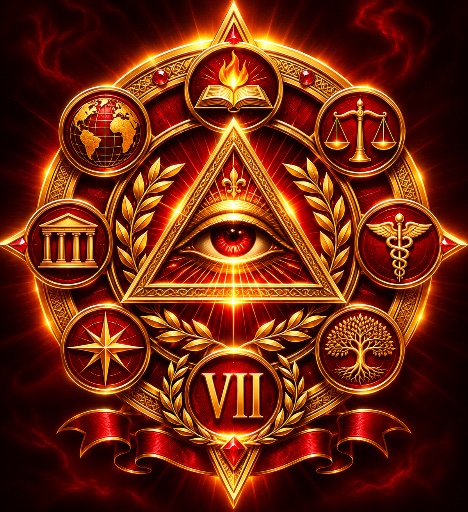
The modern emblem of The Seven Orders of the Illuminati, adopted to represent our Seven Principles.
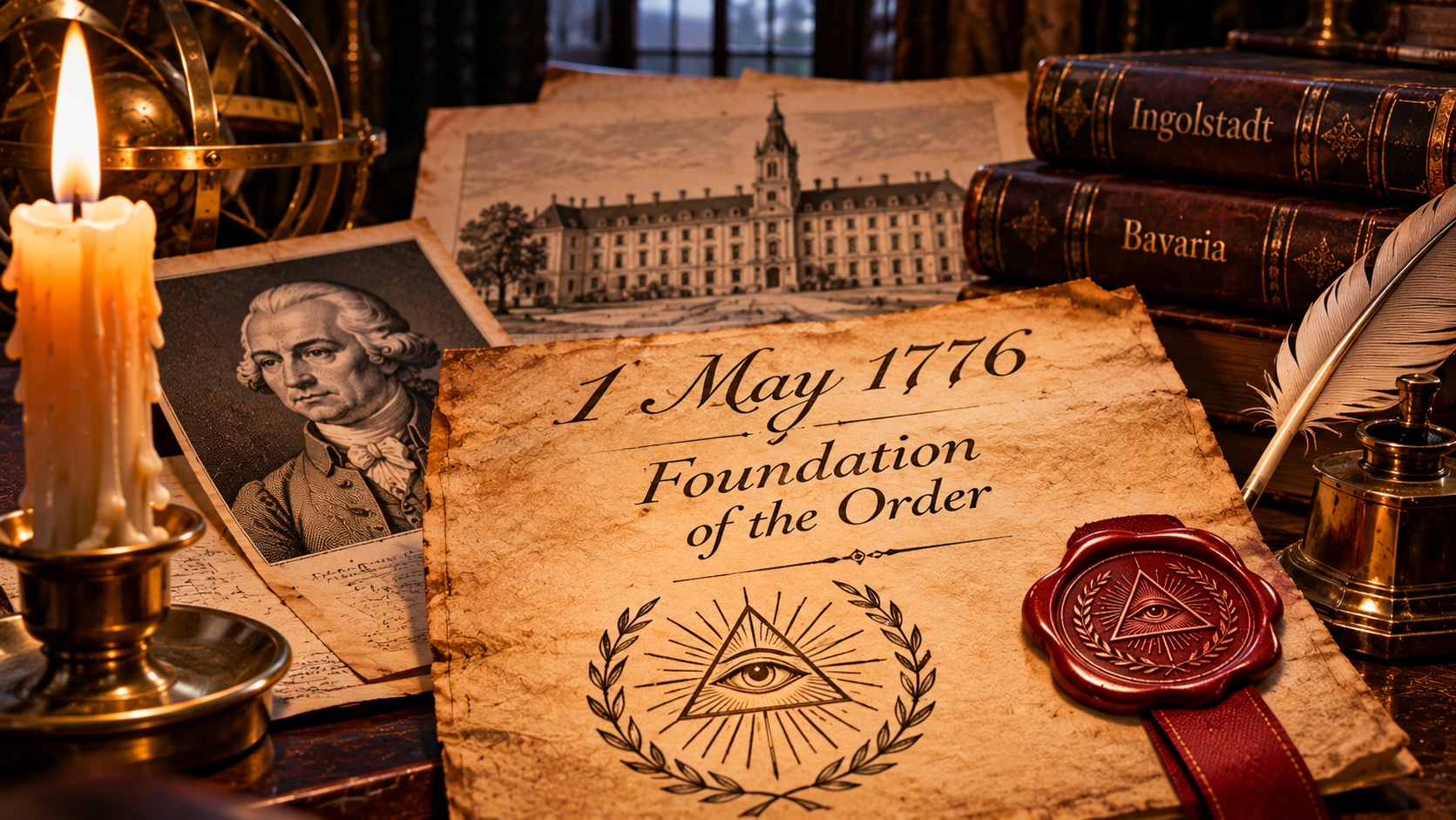
The traditional foundation date of the Bavarian Illuminati at Ingolstadt.
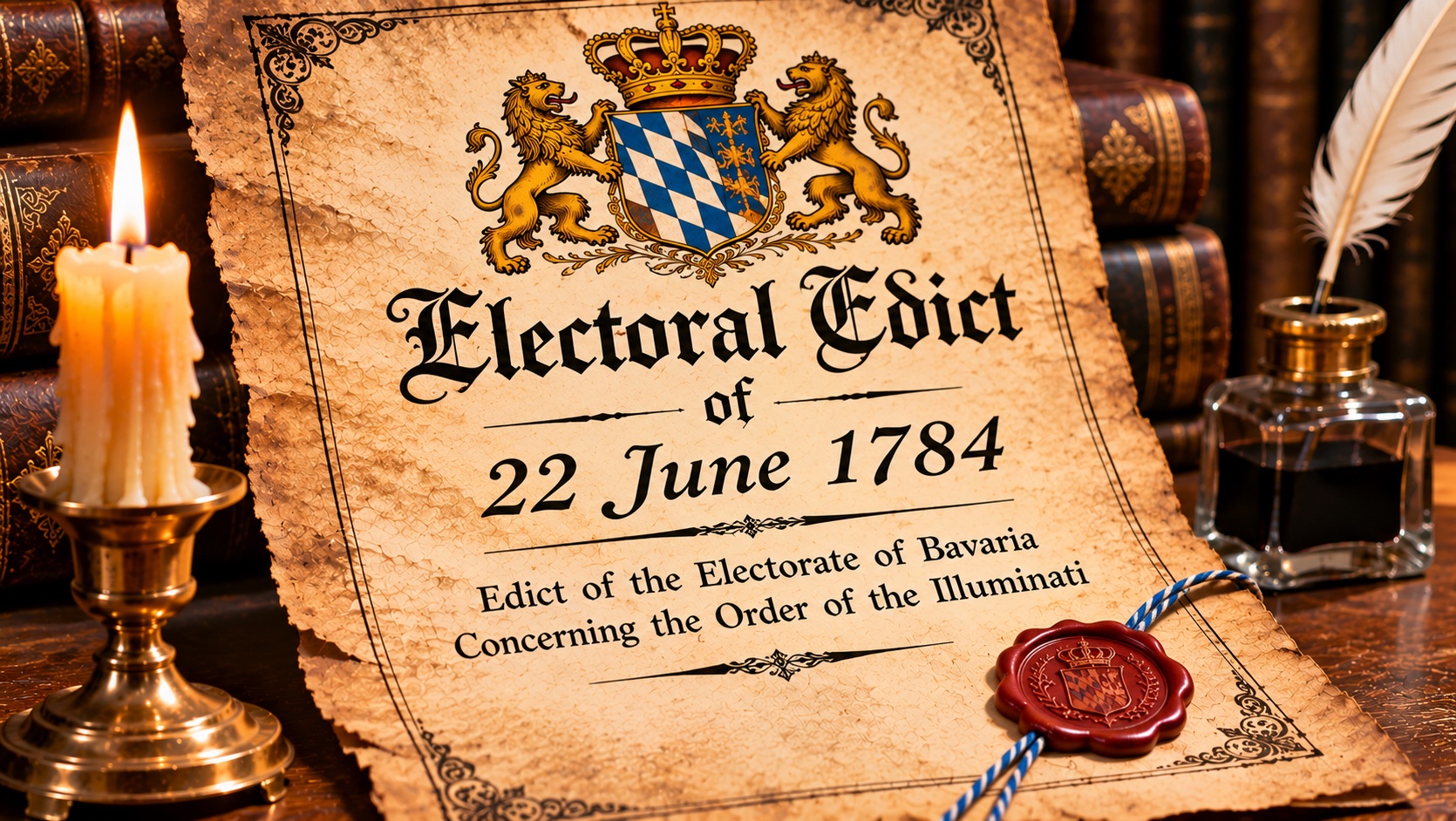
The first Bavarian edict, banning all associations not authorised by law. It did not name the Illuminati.
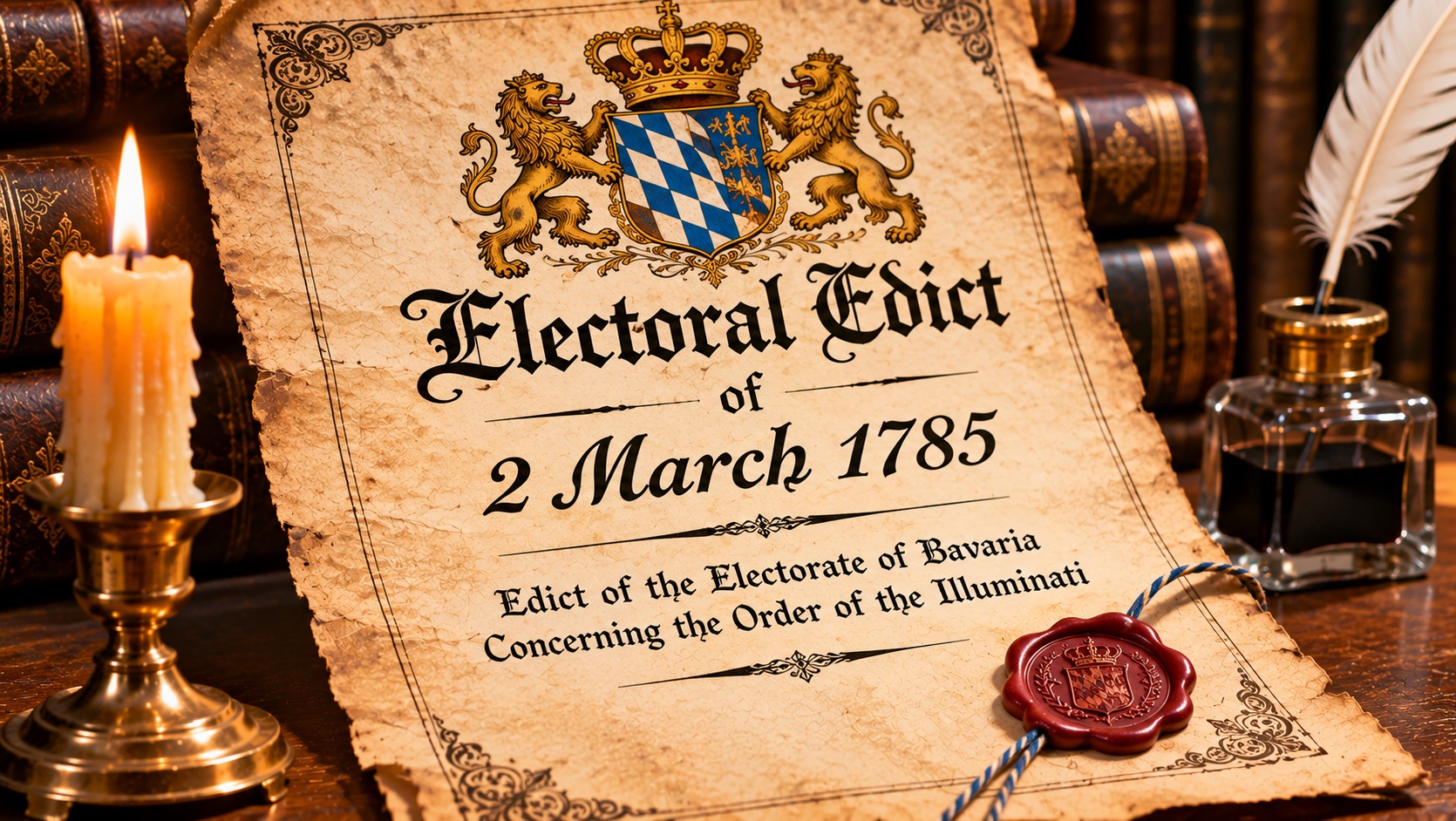
The edict explicitly prohibiting the Illuminati and the Freemasons.
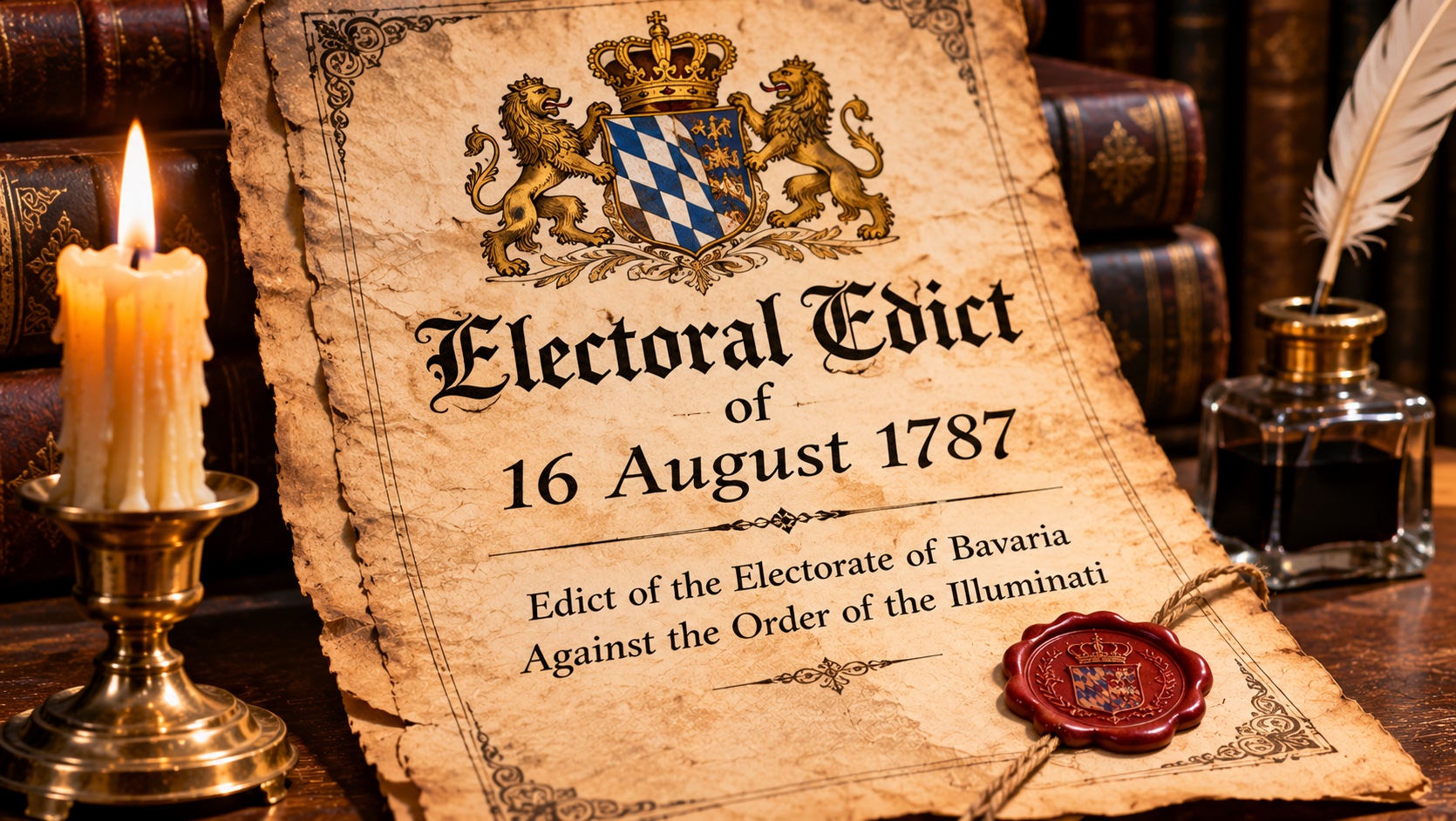
A third edict renewing the prohibition of secret societies, with severe penalties.
Membership is open to adults who share our commitment to knowledge, integrity and the honest study of history. There are no public accounts — every application is reviewed individually.